
Customer service automation explained: Process, tools & how it works
 Sneha ArunachalamNOVEMBER 21, 2025
By Sneha Arunachalam
Updated on Dec 3, 2025

Remember when AI was that cool feature you'd add if you had extra budget? Those days are over. AI has shifted from nice-to-have to must-have — and it's hitting your bottom line whether you're ready or not.
At its core, AI for customer support means using artificial intelligence to improve the way support teams help customers. It’s not just about bots — it’s about smarter systems that learn from data, understand language, and adapt to customer behavior.
Here are a few ways AI shows up in support tools:
Unlike traditional rule-based automation, AI continuously learns and improves — which means better responses, more context, and less manual work.
Customer patience? Practically nonexistent. Nearly half of all customers now consider 24/7 support a core part of good service. What used to be seen as “great support” is now the bare minimum.
And here’s the harsh reality —Younger customers will hang up the moment they’re put on hold. There’s zero tolerance for waiting. That means you either adapt quickly or risk losing customers to businesses that already use AI for customer support to deliver instant, accurate help.
What’s driving this shift? 59% of consumers believe generative AI will reshape how they interact with companies in the next two years. Even more telling — 75% of people who’ve already used AI expect it to significantly improve their customer service experiences.
Your customers aren’t just hoping for better support. They’re expecting it — and AI for customer support is how you meet that expectation at scale.
The shift has already happened. Customers now prefer digital channels like chat, email, or social media over calling during business hours.
But here's what most businesses miss: people aren’t sticking to one channel. On average, they bounce between different channels, depending on where they are and what they’re doing. Text on the train, live chat at work, email from home — it’s all about convenience at the moment. And with the rise of AI customer service, this multi-channel behavior is only accelerating.
That’s why AI for customer support is so crucial. It enables smart, always-on support across every channel — without burning out your team or inflating costs.
Your customers don’t live inside your business hours anymore. They expect help when they need it, not when it’s convenient for your agents. One industry expert put it best:
“With 24/7 support, you essentially maintain constant availability for your customers.”
And if you're serving a global audience, this isn't just a bonus — it's the bare minimum. Without AI handling routine issues round-the-clock, you're essentially telling international customers their time zone isn’t important. That’s not a message any brand wants to send.

Companies putting AI to work in their support teams aren't just seeing minor improvements — they're getting results that directly impact their bottom line and customer happiness.
Here's what's happening: AI-powered systems are cutting response times dramatically. Companies using AI report a 37% drop in first response times and resolve tickets 52% faster than traditional methods. AI chatbots handle thousands of queries at once, giving answers in seconds instead of hours. 51% of consumers actually prefer interacting with bots when they need help fast. With round-the-clock availability, customers get support even at 3 AM, which shows up in much better satisfaction scores.
The money side of things? Pretty impressive. Organizations report up to a 68% reduction in staffing needs during busy seasons and a 35% overall cost reduction in customer service operations. Businesses achieve up to 30% cost reductions while their customers become more loyal.
Here’s the thing — support teams aren’t struggling because they can’t handle customers. They’re struggling because too much of their time goes into repetitive work: typing the same replies, digging through old tickets, switching between tools.
That’s where AI makes a real difference. It picks up the grunt work — summarizing conversations, pulling up past interactions, even drafting responses — so agents can just focus on helping people. It’s not about replacing your team. It’s about letting them do what they’re actually great at: solving real problems, having real conversations, and keeping customers happy.
AI digs through thousands of interactions — browsing history, demographics, past purchases — to create experiences that feel tailored to each customer. 78% of customers say this personalization makes them more likely to buy again. Organizations using AI personalization see five to eight times the return on marketing spend. 65% of CX leaders now view AI as essential — not optional.
Here's where AI really shines: handling those crazy busy periods without breaking a sweat. AI systems scale up instantly during promotions or holiday seasons. Your service quality stays consistent whether you're getting 100 tickets or 10,000.

AI isn’t a futuristic buzzword anymore — it’s already here, quietly reshaping how support teams work every day. Below are nine real examples of AI customer service being used in practical, no-fluff ways.
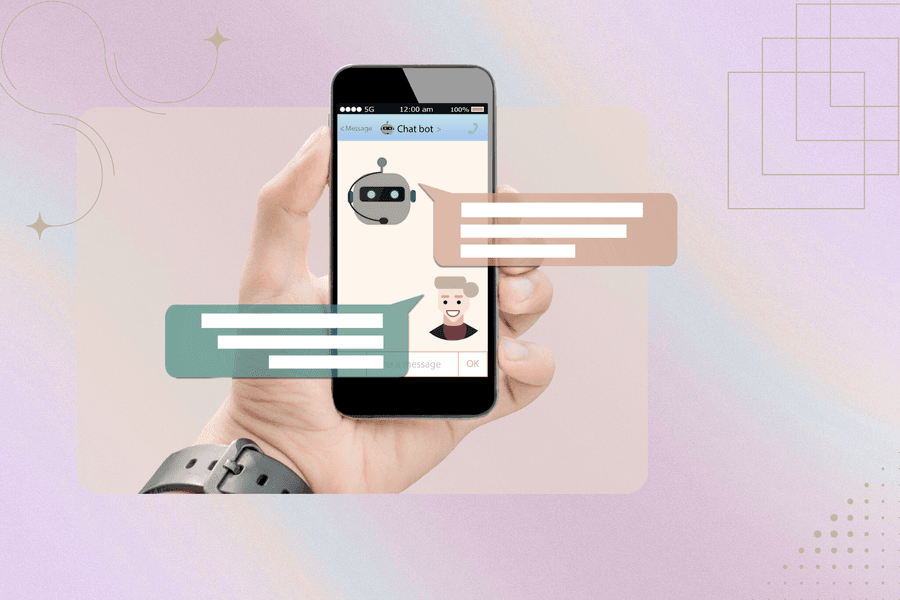
We’ve all dealt with clunky bots that go in circles. But that’s changing. Today’s AI chatbots are built to solve, not stall. They pull info from your help center, understand what people are really asking, and respond in a way that feels (almost) human. Most companies now use them to handle basic questions — and in many cases, customers prefer them when they just want a quick answer and don’t feel like waiting.
Every second your customer waits for a reply, frustration builds. AI now helps route incoming requests based on what’s being said — not just keywords. It figures out urgency, topic, and even tone, and sends the issue to the right team or person straight away. It’s like having an incredibly sharp triage nurse who never drops the ball.
Sometimes it’s not what the customer says — it’s how they say it. AI tools can now detect whether someone is calm, frustrated, or about to churn, just by analyzing how they’re communicating. That gives support teams a real edge. You can prioritize the right conversations and step in before things blow up.
Note-taking is the silent killer of productivity. Now, AI can summarize entire support calls or chats automatically. The result? No more messy handoffs or long “catch-up” moments. Agents know exactly what happened last time — and customers don’t have to repeat their story from scratch.
Phone support isn’t dead — it’s just changing. Voice AI listens in, turns calls into searchable transcripts, and helps identify what the conversation was really about. Some tools even pick up on emotion in real time. Your agents get more context, wrap up calls faster, and move on to the next one with less fatigue.
If you’ve ever scrambled to find someone who speaks French or Japanese, this one’s a lifesaver. AI for customer support now includes translation tools that let your team chat with customers in their native language — no extra headcount needed. It's especially helpful for global teams or companies expanding into new regions.
When customers finish a conversation, AI can recommend what they might need next — a product, an article, or a follow-up. These suggestions aren’t random. They're based on real behavior and past interactions. It’s a small thing, but when done right, it feels helpful instead of salesy.
Most companies have a help center full of outdated or underused articles. AI tools now review what content works, what’s missing, and what needs a rewrite. Some even help draft better answers based on what customers are actually searching for. It’s one of the cleanest use cases of AI for customer support — and it saves your team hours of guesswork.
This is where AI stops reacting and starts anticipating. Based on patterns in your data, it can alert you when something’s about to go wrong — before customers even notice. For example, telecom companies now use AI to flag outages early and notify users right away. It feels less like support, and more like service.
Support can be draining. Some teams now use AI to scan internal chats or call data for signs that an agent might be struggling — not just with workload, but emotionally too. It’s not about spying. It’s about giving managers the heads-up so they can support their team before burnout hits.
These aren’t hypotheticals. This is how AI for customer support is being used today — by companies that are done playing catch-up and want to get ahead. The tech isn’t here to replace your team. It’s here to help them do what they do best: support real people, with fewer roadblocks in the way.
There’s a lot of noise around AI. Some people are excited, some are skeptical, and plenty are just confused. Especially when it comes to AI for customer support, the opinions are all over the place. So before we go any further, let’s address a few common myths that still pop up all the time.
This is probably the first thing people think — and it’s not true. AI isn’t here to replace support teams; it’s here to elevate them. That’s exactly how AI customer service works: it takes care of repetitive tasks like sorting tickets, retrieving context, and handling basic queries, giving your team more room to do meaningful work.
In most cases, AI is like a behind-the-scenes teammate, not a replacement. The human side of support is still just as important — maybe even more so.
They hate bad bots. That’s the key difference.
Nobody wants to go through a scripted decision tree that doesn’t understand what they’re saying. But when it’s done right, AI for customer support can actually make things easier. Think about a customer trying to check the status of their order at 11PM — they’re not expecting a personal phone call. They just want an answer. If an AI chatbot can give it to them in seconds, most people are perfectly happy with that.
At the end of the day, customers care more about fast, clear answers than who (or what) delivers them.
Not anymore. A few years ago, sure — AI sounded expensive and out of reach unless you had a huge tech team. But things have changed. Now, most help desks and support platforms come with AI features already built in, and many of them don’t require any coding at all.
Whether you’re running a lean startup or a mid-size business, you can start using AI for customer support in a really practical way — without spending a fortune.
That used to be true, but not anymore. Modern AI can understand context, pull info from your knowledge base, and even learn from past interactions. It still might not be the best for solving complex, one-of-a-kind problems — but that’s where your team comes in.
The point isn’t to automate everything. It’s to handle the routine stuff quickly, so your agents have more time (and energy) for the things that actually need a human touch.
It doesn’t have to be. You don’t need to launch some big AI transformation overnight. Most companies start small — automating a few common questions, routing tickets more intelligently, or using AI to summarize conversations.
You can build from there. What matters is choosing tools that are actually built for support teams, not just for data scientists.

Getting AI right in your support team isn't about throwing technology at problems and hoping it sticks. You need a plan that actually works.
Start by figuring out where your team is struggling right now. Are you drowning in response times? Getting hammered with the same questions over and over? Customers complaining about inconsistent experiences? Track how your agents work with their current tools for a week — you'll spot the pain points fast.
Once you know what's broken, define what success looks like. Whether that's cutting response times in half, scaling your team without hiring, or making every interaction feel personal.
Budget matters here — AI implementation costs are all over the map. When you're evaluating AI customer service options, focus on three things:options, focus on three things:
Here's something important: test everything before you commit. What looks amazing in a sales demo might fall flat when real customers start using it.
Your team is probably worried about their jobs. Address that head-on. Show them how AI handles the repetitive stuff so they can focus on complex problems that actually need human thinking.
Create simple decision trees that help agents know when to let AI handle something versus when to jump in themselves. Companies with properly trained teams see up to 40% productivity increases, but that only happens with ongoing training — weekly team reviews and monthly assessments work best.
Make sure your AI connects smoothly with your CRM and support platforms. Nobody wants to juggle multiple systems just to help one customer.
Your AI is only as good as the data you feed it. Clean up your knowledge base — keep documents short, focused, and structured with direct answers. Start small with one area like self-service or ticket routing, then expand from there.
Track the metrics that matter: Average Handling Time, Resolution Rate of Automated Requests, and customer satisfaction scores. Separate your AI-only results from cases that needed human help — it gives you clearer insights into what's working.
Give your AI time to learn. Most systems need several weeks to hit their stride. Use those insights to keep refining accuracy and effectiveness.
So now that we’ve got a clearer idea of how AI for customer support actually works — and what to look for when choosing a customer support tool — let’s talk about the platforms that are setting the pace in 2025. Whether you're building your first AI workflow or leveling up an existing one, these tools are leading the charge in helping teams deliver faster, smarter, and more personal support.
Here are five standout platforms that deserve your attention this year:

Best for: Growing teams that want AI without the complexity
SparrowDesk is built with modern support needs in mind — fast, intuitive, and AI-first from the ground up. The AI assistant handles everything from auto resolving 60% of tickets to smart responses and summaries. What makes it stand out is that even small teams can get up and running quickly without needing a developer.
Why it works:
Check out the simple, transparent pricing built for teams of every size.
 TRY SPARROWDESK FREE FOR 14 DAYS
The Helpdesk your team truly deserves.

Best for: SaaS companies and product-led teams
Intercom’s AI capabilities have gotten a serious upgrade. Their AI bot, Fin, handles conversational support really well — especially for self-service. The bot pulls directly from your help center and gets better over time. For businesses that already use Intercom for messaging and onboarding, adding AI is pretty seamless.
Why it works:

Best for: Larger teams with high ticket volumes
Zendesk’s AI tools are baked right into the platform now — think AI-powered routing, intent detection, and suggested replies. For teams already deep into Zendesk, the AI layer helps trim down repetitive work and gives agents smarter tools to move faster.
Why it works:

Best for: Companies focused on automation and deflection
Forethought is all about automating repetitive tickets before they even reach your team. Its AI triages, routes, and resolves common issues through integrations with most major help desks. If you’re looking to reduce ticket volume without hurting CX, this one’s worth a look.
Why it works:

Best for: Ecommerce brands and smaller teams
Tidio’s AI chatbot, Lyro, helps small businesses deliver 24/7 support without needing a full-time support team. It’s designed for non-technical users and connects easily to platforms like Shopify, WordPress, and Messenger.
Why it works:
If there’s one thing that’s clear by now, it’s this: AI for customer support is no longer some futuristic idea or a tool reserved for tech giants with massive budgets. It’s here, it’s real, and it’s already transforming how businesses of all sizes talk to their customers.
We’ve seen how the right AI tools can help teams respond faster, work smarter, and scale support without burning out agents or blowing up costs. From handling late-night chats to summarizing long conversations in seconds, the real-world use cases aren’t just impressive, they’re practical.
This is exactly why AI customer service is helping businesses meet rising customer expectations without sacrificing quality or personal touch.
And no, it’s not about replacing your team with robots. That’s one of the biggest myths we tackled — and it couldn’t be further from the truth. In reality, AI works best when it supports your human agents by taking the grunt work off their plates, so they can focus on what they do best: solving meaningful problems and building real relationships.
If you’re thinking about using AI for customer support in your own business, don’t overthink it. Start by figuring out where your team is struggling — maybe it’s repetitive tickets, after-hours coverage, or agent burnout. Then, look for AI tools that plug into your existing workflow, are easy to use, and actually learn from your data. Whether you go with something like SparrowDesk, Intercom, Zendesk AI, or Tidio, the goal is the same: give your team leverage and your customers a better experience.
The companies that get ahead in 2025 won’t be the ones with the biggest support teams — they’ll be the ones who use their time, data, and tools the smartest. And AI is a huge part of that shift.
In short? The future of support isn’t human or AI — it’s the two working together.
Quick summary: AI for customer support: From nice-to-have to must-have
AI for Customer Support has evolved from an optional budget item to a business necessity. With customers expecting 24/7 availability and instant responses, companies can no longer afford to rely solely on traditional support methods. Modern AI tools are reshaping how support teams operate, delivering faster resolutions while reducing operational costs.
AI for Customer Support isn't about replacing human agents—it's about amplifying their capabilities. The companies that will thrive in 2025 are those leveraging AI to work smarter, not harder. The future of support is human-AI collaboration, delivering exceptional customer experiences at scale.
Set up SparrowDesk in minutes, not months. No credit card needed, no safe call required. Just a better way to run support from day one.

-300x318.jpg&w=3840&q=75)